The Science of a Crush On: Why We Fall and How to Navigate It
The Science of a Crush On: Why We Fall and How to Navigate It
Few experiences feel as electric and all-consuming as a Crush On someone. That sudden flutter in your chest, the way their name lights up your phone screen, the endless replaying of a single conversation — a crush can turn your world upside down in the most delightful and sometimes dizzying way. But what exactly is happening in your brain and body when you develop a crush? And more importantly, how can you navigate those intense feelings without losing your head? In this article, we’ll explore the psychology and neuroscience behind crushes, why they feel so powerful, and how to handle them with grace and self-awareness.
What Is a Crush, Really?
A crush is more than just a fleeting attraction. It’s a potent cocktail of idealization, curiosity, and desire that often blooms before you truly know someone. Unlike deep love, which is built on mutual understanding and shared experiences over time, a crush tends to thrive on mystery and projection. You might find yourself imagining what it would be like to date this person, to hold their hand, or to share secrets with them — even if you’ve only exchanged a few words.
Psychologists often describe crushes as a form of “limerence,” a term coined by psychologist Dorothy Tennov in the 1970s. Limerence is characterized by intrusive thinking, longing for reciprocation, and a rollercoaster of hope and despair depending on how the object of your affection responds. While a crush can feel incredibly personal, it’s actually a universal human experience that has fascinated researchers for decades.
The Brain on a Crush: Chemistry and Neural Circuits
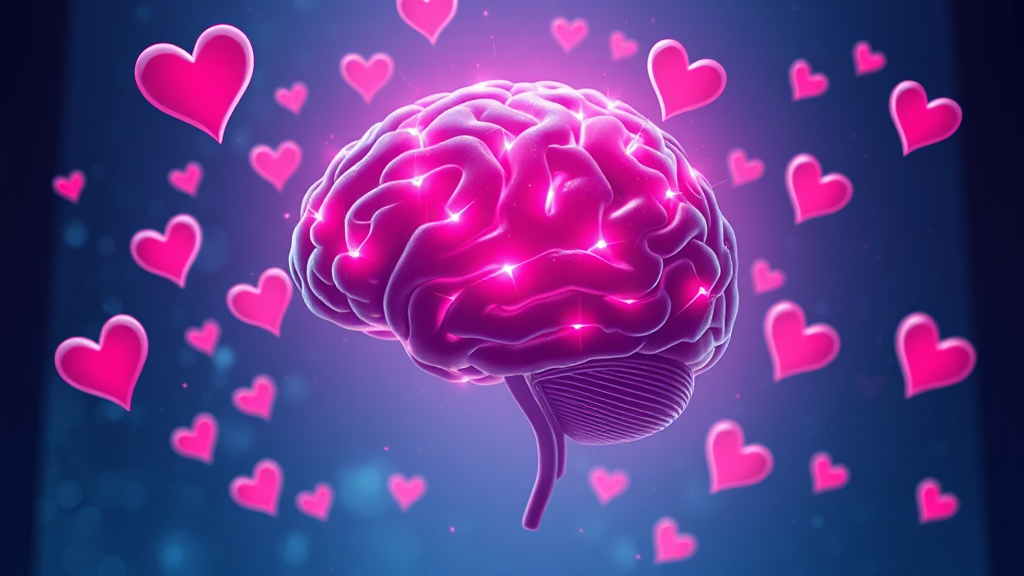
When you develop a crush, your brain becomes a chemical factory. Dopamine — the neurotransmitter associated with reward and pleasure — floods your system, making you feel euphoric whenever you see or think about the person. That’s why a simple text from them can instantly brighten your day. At the same time, norepinephrine ramps up your alertness and energy, which explains why you might feel jittery or unable to concentrate when they’re around.
Interestingly, serotonin levels drop when you have a crush, which mirrors the pattern seen in people with obsessive-compulsive disorder. This dip may contribute to the obsessive, can’t-stop-thinking-about-them quality of a crush. Meanwhile, the brain’s ventral tegmental area (VTA) — part of the reward circuit — lights up on brain scans when people look at their crush’s photo, similar to the activation seen in addiction. This is why a crush can feel so addictive: your brain is literally wired to crave more.
Why Crushes Feel So Intense (and Sometimes Irrational)
One of the most puzzling aspects of a crush is its intensity, especially when you barely know the person. This is partly because crushes are built on fantasy. Without real-world data to contradict your idealization, your mind fills in the gaps with everything you’ve ever wanted in a partner. The person becomes a canvas for your deepest desires, and that projection can be incredibly powerful.
Evolutionary psychologists suggest that crushes may serve a purpose: they motivate you to approach potential mates and assess compatibility. The rush of excitement and the risk of rejection push you out of your comfort zone, which can be a catalyst for personal growth. However, the same intensity can also lead to irrational behavior — like checking their social media every hour, reading too much into a casual comment, or feeling jealous when they talk to someone else.
It’s important to recognize that these feelings, while real, are often exaggerated by your brain’s reward system. Understanding this can help you step back and evaluate the situation with more clarity.
The Different Types of Crushes
Not all crushes are created equal. In fact, psychologists have identified several distinct types that can affect your experience:
- Identity crushes: You admire someone because they embody qualities you wish you had — confidence, creativity, or social ease. These crushes are often about self-improvement rather than romance.
- Romantic crushes: The classic “butterflies in your stomach” feeling. You want a relationship with this person and imagine a future together.
- Sexual crushes: Driven primarily by physical attraction and desire. These can be fleeting but intensely passionate.
- Celebrity crushes: Attraction to someone you’ve never met, like an actor or musician. These are safe because there’s no risk of rejection, but they can still trigger the same brain chemistry.
Recognizing which type of crush you’re experiencing can help you understand your motivations and decide how to act — or not act — on your feelings.
How to Handle a Crush Gracefully
Navigating a crush can be tricky, especially if you’re unsure whether the feeling is mutual. Here are some practical tips to keep your feet on the ground:
- Give it time: Crushes often fade or evolve once you get to know the person better. Instead of acting impulsively, spend time observing and interacting with them in natural settings.
- Focus on facts, not fantasies: Remind yourself of what you actually know about the person, not what you’ve imagined. This helps ground your feelings in reality.
- Communicate honestly: If the crush is affecting your wellbeing or you’re ready to know if it’s mutual, consider having a gentle conversation. Expressing your interest doesn’t have to be dramatic — a simple “I enjoy spending time with you” can open the door.
- Accept uncertainty: Not every crush will lead to a relationship, and that’s okay. Learning to sit with the discomfort of not knowing is a valuable life skill.
- Take care of yourself: Crushes can be emotionally draining. Make sure you’re getting enough sleep, eating well, and spending time with friends who ground you.
If you’re looking for a fun and low-pressure way to explore the idea of crushes and connections, you might enjoy trying some interactive experiences online. For instance, platforms like Crush On offer playful AI-driven scenarios where you can chat with characters and practice your flirting skills without real-world stakes. It’s a great way to learn more about what you’re drawn to while having a little fun.
When a Crush Turns into Something More
Sometimes a crush grows into a genuine, lasting relationship. The transition happens when fantasy gives way to reality — you start seeing the person’s flaws and quirks and still want to be with them. This is when the initial infatuation can deepen into love, which is built on trust, mutual respect, and shared values.
However, not all crushes are meant to become relationships. Some are simply lessons in self-discovery. They teach you about your desires, your attachment style, and what you truly value in a partner. Even if a crush fades without resolution, it can leave you with a clearer sense of yourself.
Frequently Asked Questions About Crushes
How long does a crush typically last?
There’s no set timeline, but research suggests that infatuation can last anywhere from a few weeks to about 18 months. If the feeling persists longer without any reciprocation, it may be a sign of unrequited love rather than a simple crush.
Can a crush turn into love?
Yes, a crush can evolve into love if both people get to know each other deeply and build a connection based on trust and compatibility. The key is moving beyond idealization and embracing the real person.
Why do I keep developing crushes on unavailable people?
This may be a reflection of your attachment style or a protective mechanism. Crushing on someone unavailable can be a way to avoid the vulnerability of a real relationship. Working with a therapist can help you uncover these patterns.
Is it normal to have a crush while in a committed relationship?
It’s surprisingly common. Having a crush doesn’t mean you’re unhappy with your partner. However, it’s important to set boundaries and avoid acting on the crush in ways that could harm your relationship. If the feelings become overwhelming, consider talking to your partner or a counselor.
Conclusion: Embrace the Ride, But Keep Your Balance
A crush is one of life’s most exhilarating experiences — a reminder that we’re alive, capable of wonder, and open to connection. While the feelings can be intense, they’re also temporary. Whether your crush leads to a beautiful relationship or simply becomes a fond memory, the journey offers valuable insights into your own heart. So the next time you feel that familiar flutter, take a deep breath, enjoy the ride, and remember to keep a little perspective. And if you ever want to explore the lighter side of crushes, don’t forget to check out Crush On for some playful inspiration.
Readers who are interested in this topic will benefit from exploring multiple perspectives and understanding the nuanced approaches that industry leaders recommend. Taking time to research thoroughly ensures better outcomes and more informed decision-making.
Those looking to gain deeper knowledge in this area should consider following expert analysis, staying updated with the latest developments, and engaging with professional communities where these topics are discussed in detail.
A comprehensive understanding of this subject requires looking at both theoretical foundations and practical applications. By combining study with hands-on experience, learners can develop a well-rounded perspective that serves them well in real-world scenarios.
As the landscape continues to shift and evolve, staying informed about emerging trends and best practices becomes increasingly valuable. This ensures you remain competitive and capable of adapting to new challenges as they arise.